Sanitation services, safe water restored in war-affected provinces
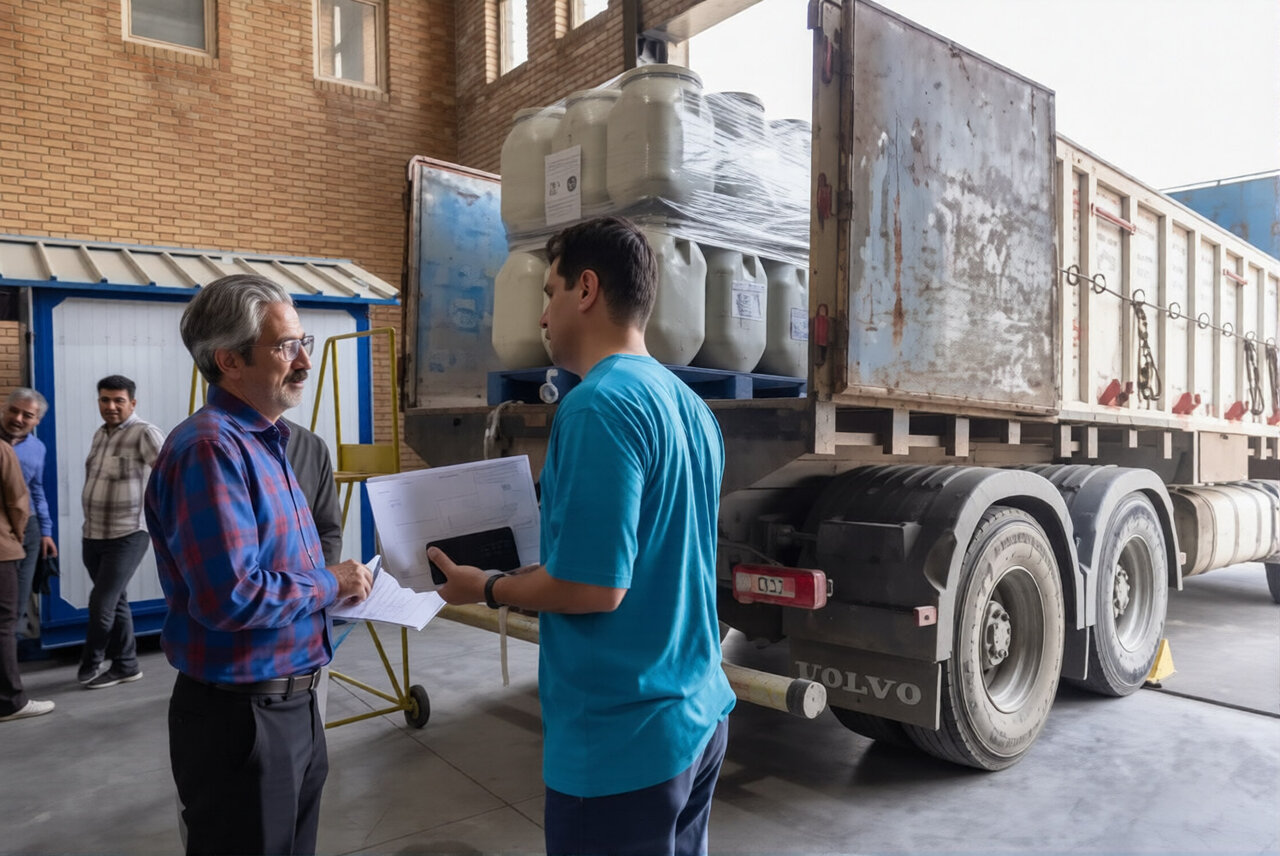
TEHRAN – The United Nations Children’s Fund (UNICEF), in cooperation with national and local authorities and partners, has supported the delivery of essential water, sanitation and hygiene (WASH) equipment and emergency supplies to nine provinces affected by the recently imposed US-Israeli war against the country.
The effort helps maintain and restore safe water and sanitation services in Sistan-Baluchestan, Hormozgan, Khuzestan, Bushehr, Kordestan, Lorestan, Fars, Markazi and Ilam provinces, UNICEF website announced in a press release in August.
The support is helping keep safe water flowing, restore disrupted services and manage wastewater safely for more than one million children and family members.
The supplies include 26 solar-powered water disinfection and chlorination systems to help keep drinking water safe during power disruptions, four portable water-quality monitoring sets, and 17 submersible sludge pumps for wastewater management.
A further 10 tonnes of calcium hypochlorite have been distributed for water disinfection. The equipment and supplies have reached affected areas.
Protecting access to safe water during emergencies
When conflict damages or disrupts water and sanitation systems, the consequences for children can be immediate. Reduced access to safe drinking water and functioning sanitation increases the risk of disease and can leave families without services they depend on every day.
Keeping water disinfected, monitoring its quality and ensuring wastewater systems continue to function are critical to protecting public health and preventing further disruption to essential services. Through the distributed equipment and supplies, UNICEF, together with national authorities and partners, is helping sustain essential WASH services for more than one million children and their family members, while strengthening the capacity to respond quickly when water and sanitation systems are damaged or disrupted.
Preparing to respond when services are disrupted
Keeping emergency WASH equipment and supplies ready for rapid deployment can help reduce delays when water and sanitation services are damaged or disrupted. UNICEF works closely with national partners to strengthen emergency preparedness and maintain critical supplies that can support water disinfection, water-quality monitoring and wastewater management during emergencies.
This preparedness helps ensure that critical WASH support can reach affected communities quickly, allowing UNICEF and its partners to help protect children’s and families’ access to safe water and sanitation when they need it most.
WASH FIT to help health facilities improve services
Funded by the Government of the Republic of Korea, UNICEF and the World Health Organization (WHO) are supporting the Ministry of Health and Medical Education to strengthen water, sanitation and hygiene services in health facilities nationwide.
The initiative supports introducing and institutionalizing the Water and Sanitation for Health Facility Improvement Tool, known as WASH FIT, across Iran’s health system. The tool helps health facilities identify risks and plan practical improvements in areas such as safe water, sanitation, hygiene, waste management, environmental cleaning, workforce, management, and energy and environment, UNICEF’s website announced in a press release on July 17.
Children and families across Iran will benefit from efforts to make health care facilities more resilient and hygienic and better equipped to prevent infections.
Building national capacity
The initiative began with a national workshop held in Tehran in October 2025, which brought together 40 environmental health experts from Universities of Medical Sciences from 25 provinces.
The workshop prepared participants to support health facilities in assessing their water, sanitation and hygiene conditions and identifying priority areas for improvement. It built on an earlier national assessment of health facilities and a roadmap developed by WHO to strengthen these essential services across the country.
Expanding training across the country
Following the national workshop, a series of provincial cascade training workshops has started from April 2026. Environmental health experts from hospitals and urban and rural health centers take part in the trainings.
Participants learn how to assess conditions in health facilities, identify risks, and prepare action plans based on the needs of each facility. These skills will help health workers improve hygiene standards, reduce the risk of infections, and provide safer services for patients, including children and mothers.
UNICEF and WHO are also working with the Ministry of Health and Medical Education to integrate WASH FIT into the national health system, ensuring its sustainable implementation and scale-up.
By strengthening the skills of health professionals and supporting a consistent approach across the country, the initiative aims to improve the quality and safety of health services for children, families, patients and health workers.
MT
Leave a Comment